Jens Masimov (b. 1993 in Hedemora, Sweden), is a multidisciplinary artist based in Stockholm. Through immersive and entangled installations he explores the core idea of ritualistic distortion wherein sculptural renditions of visual and cultural anchor-points acts as frameworks for social gatherings.
~~~~~~~~~~~~~~~~~~~~~~~~
(1) Turbo
(2) Lalande de Pomerol & Saumur (2024) II
(3) You Got To Spend Money To Lose Money
(4) Börja röka!
(5) Lalande de Pomerol & Saumur (2024)
(6) Lucky Number 1 9 5 3 0 2 0 8
(7) Mera ös mera järn
(8) Fullt ställ
(9) Lalarps källa
(10) High Score Win Win
(11) Bingsjö Spacetime 2022
(12) EN ELD ETT SKEN
(13) Norberg > Norberg ITT 0,00km
(14) Krossen, Kingen, Halvan
(15) Esoteric Byggmax Bar
(16) GROGGENHEIM
(17) MINI DETOUR AUGURY
(18) Candy Flip
(19) We’ve Been Queuing Without a Reason
(20) SUPER DETOUR AUGURY
(21) All Days Hence
(22) Portal 002(Bergspris)
(23) Matchen
(24) We Keep In Contact Through Indium And Tin
(25) Immense Past Caving In
(26) Strandkantens Folkspa
(27) Concrete Cap
(28) Shared Desktop
(29) Exhaustive~Portal
(30) Mapping Through Network Technologies
(31) A Correspondence
~~~~~~~~~~~~~~~~~~~~~~~~
ABOUT/CV ︎ ︎ ︎
~~~~~~~~~~~~~~~~~~~~~~~~
Participatory performance. Turbo yeast, Sima, sourgdough bread, Lovage, cream cheese, Pine, wood stain, varnish, glass bottles, bottle caps. 2026. Performance held at Index, Stockholm. Curated by Una Gjerde & Krisztián Gábor Török


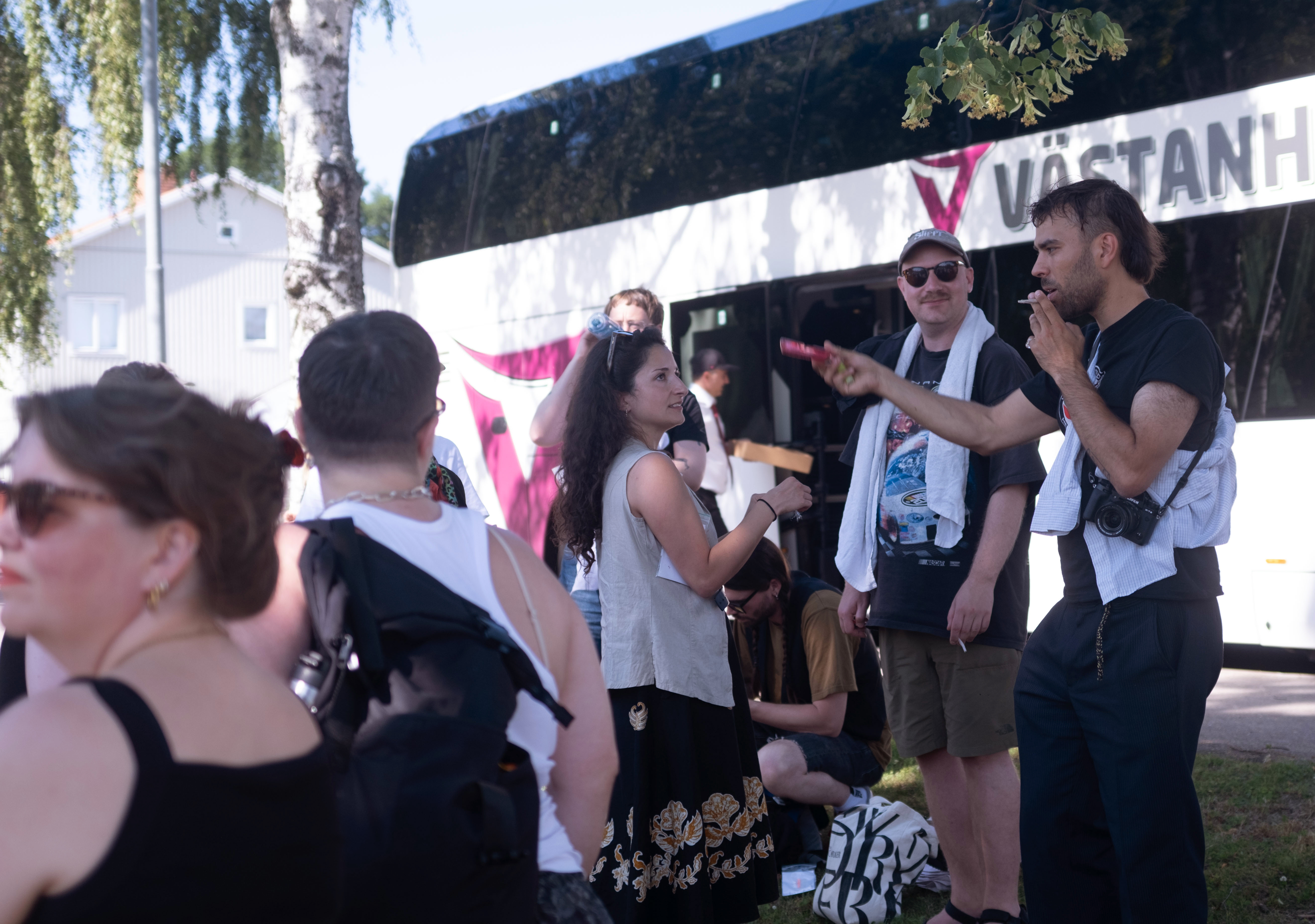
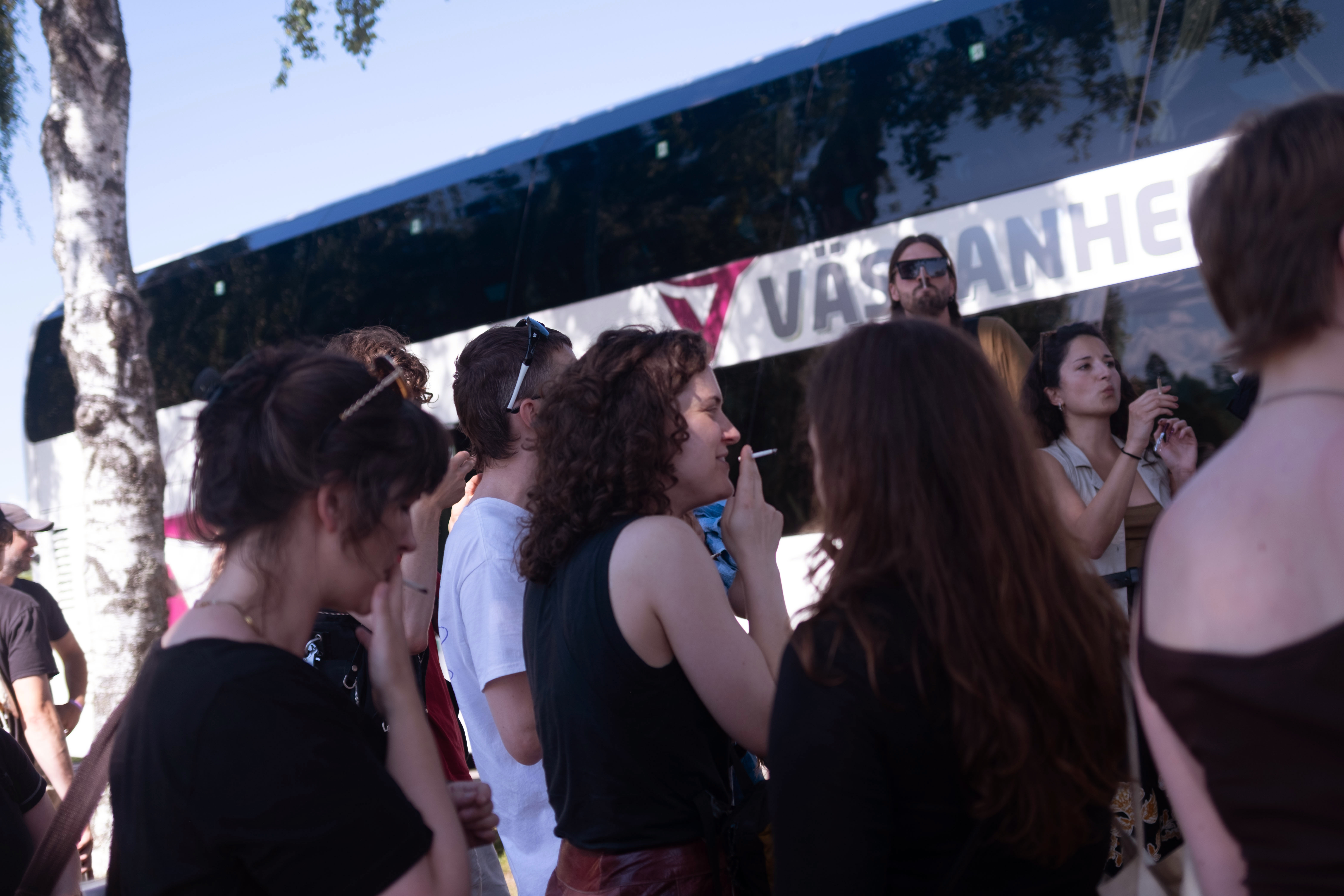
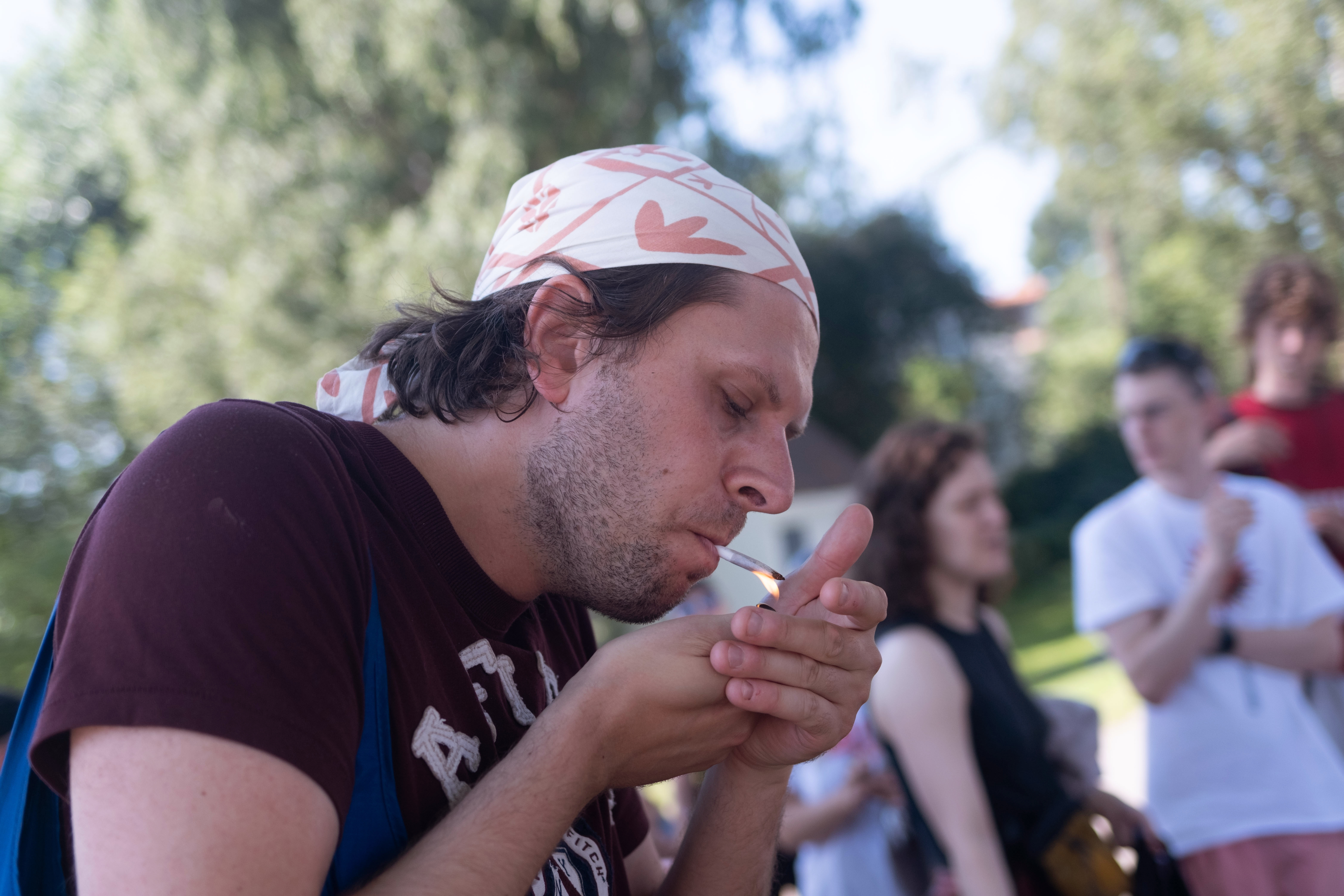
Participatory performance. Tobacco grown and cured in Henriksberg, plastic zip bags, rolling papers, filters, letterpressed cards. Exhibited during the exhibition Buss 501, Norberg & Hedemora. 2025

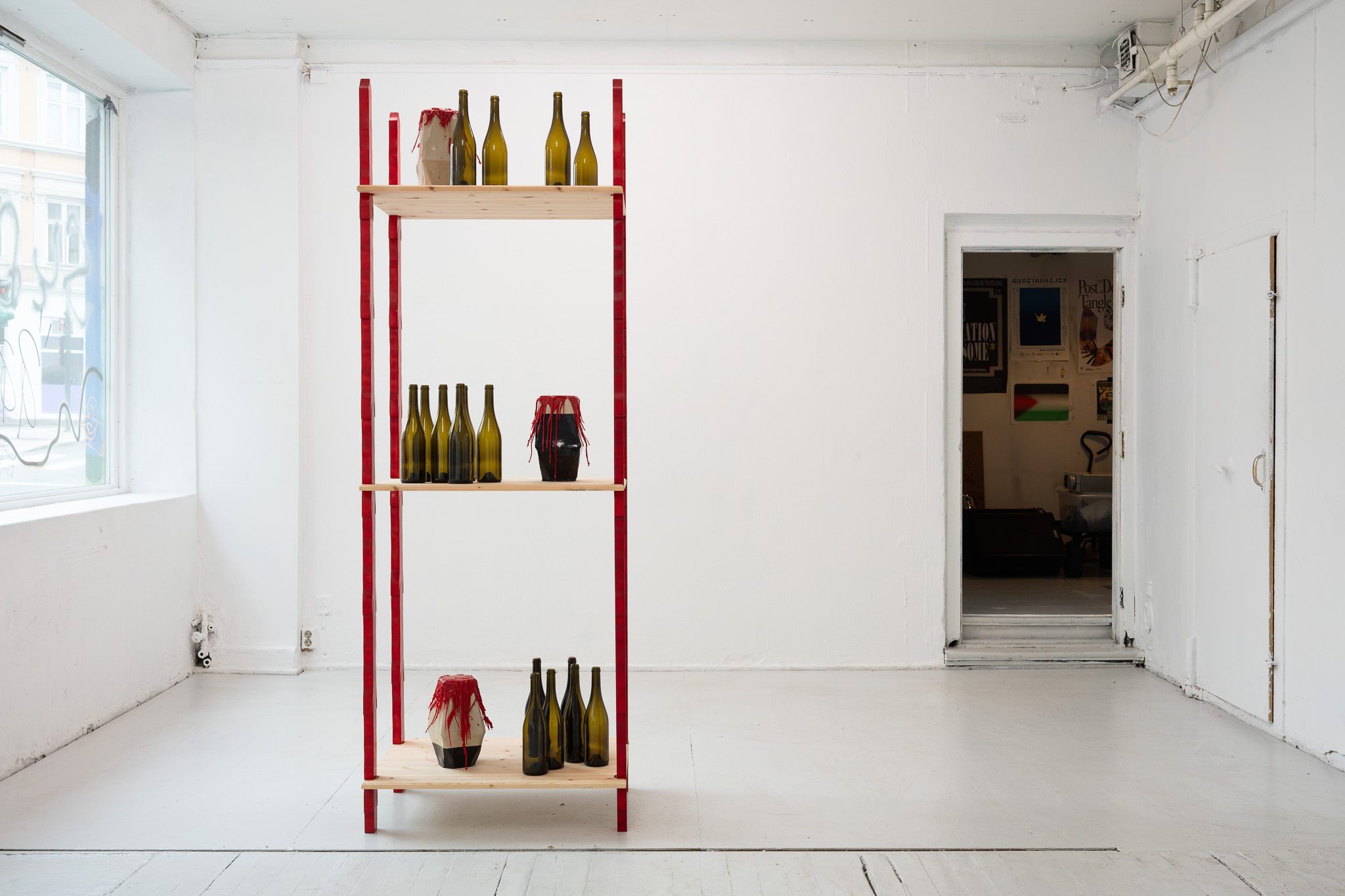
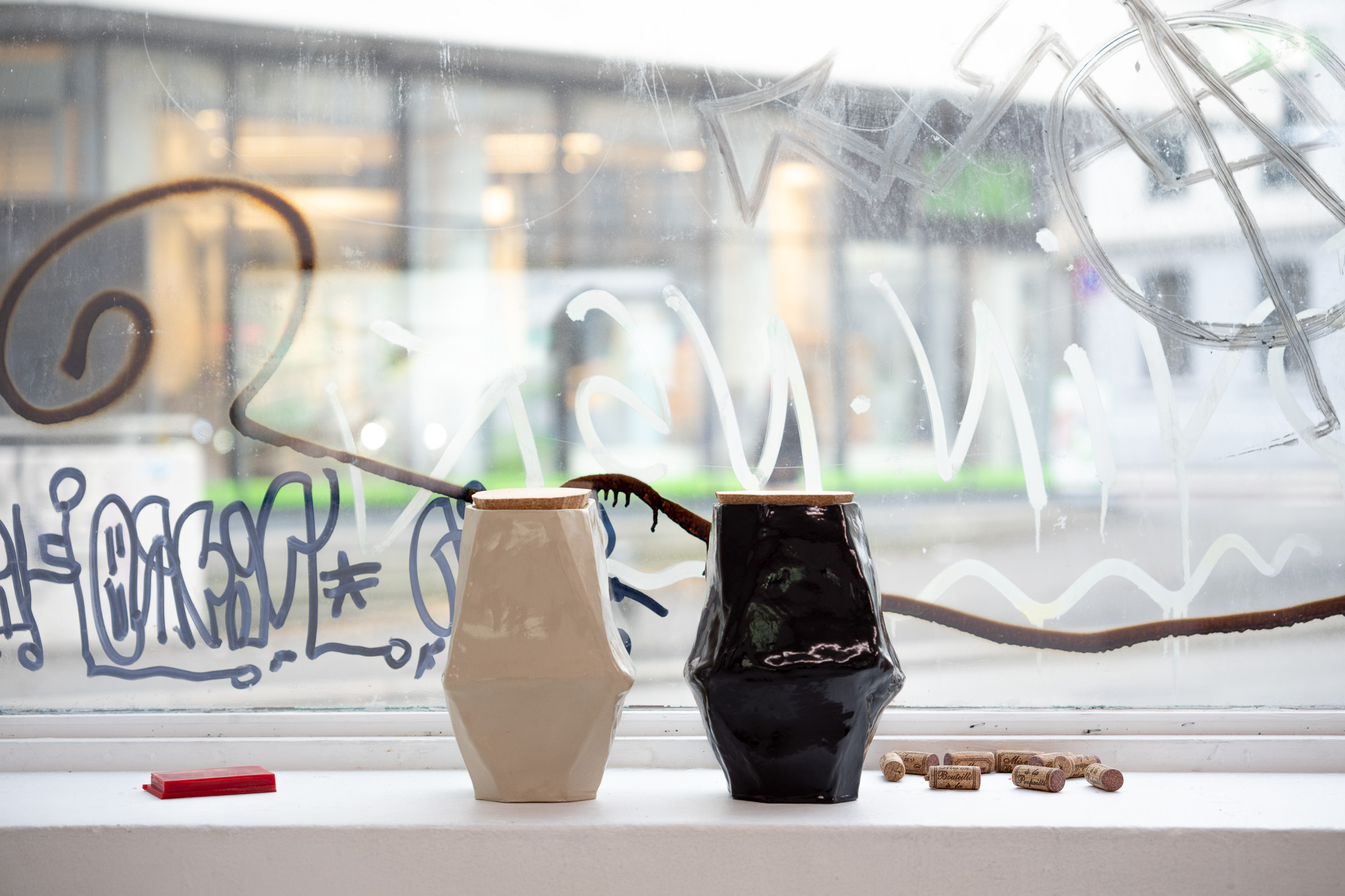
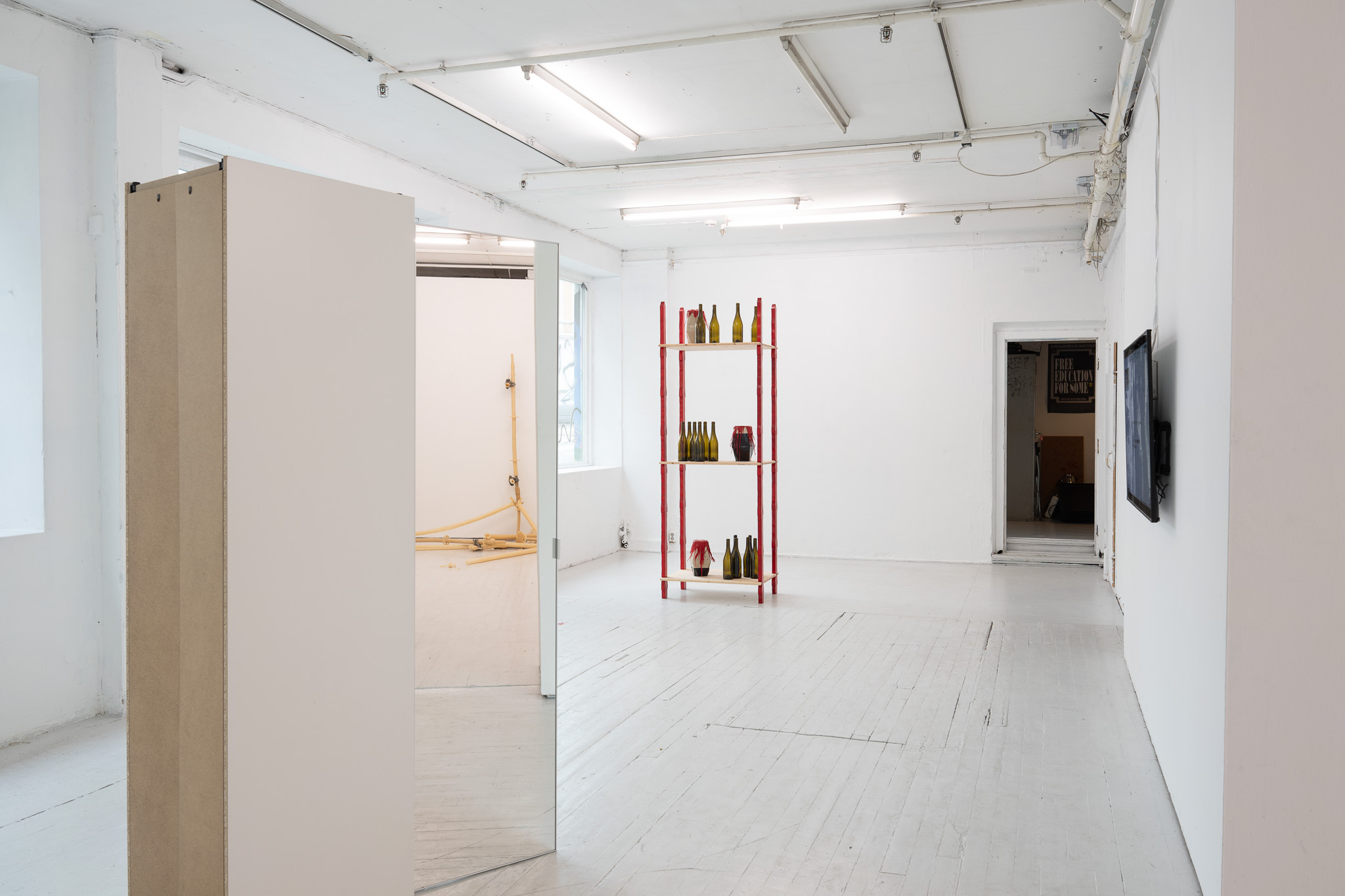
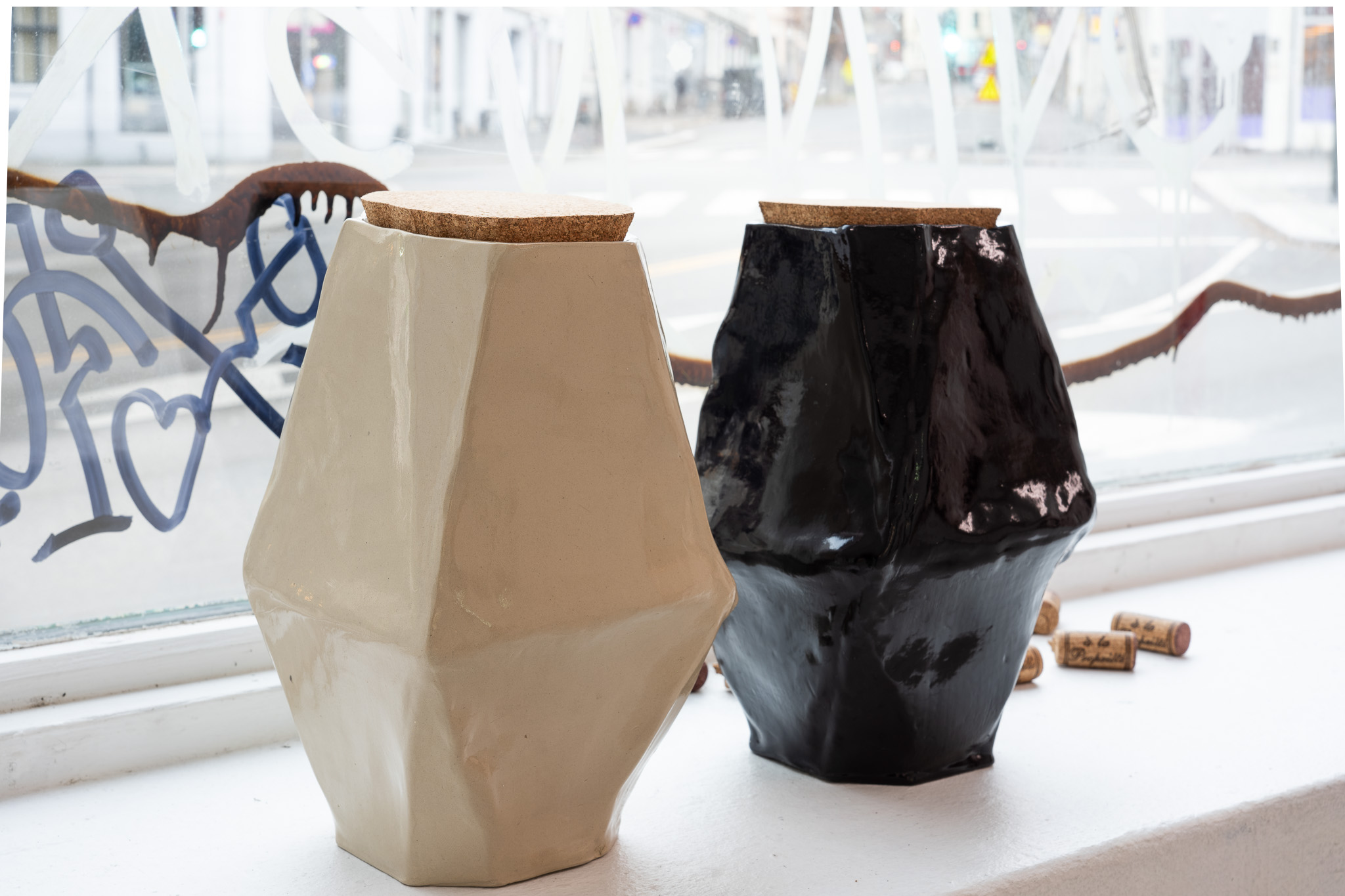
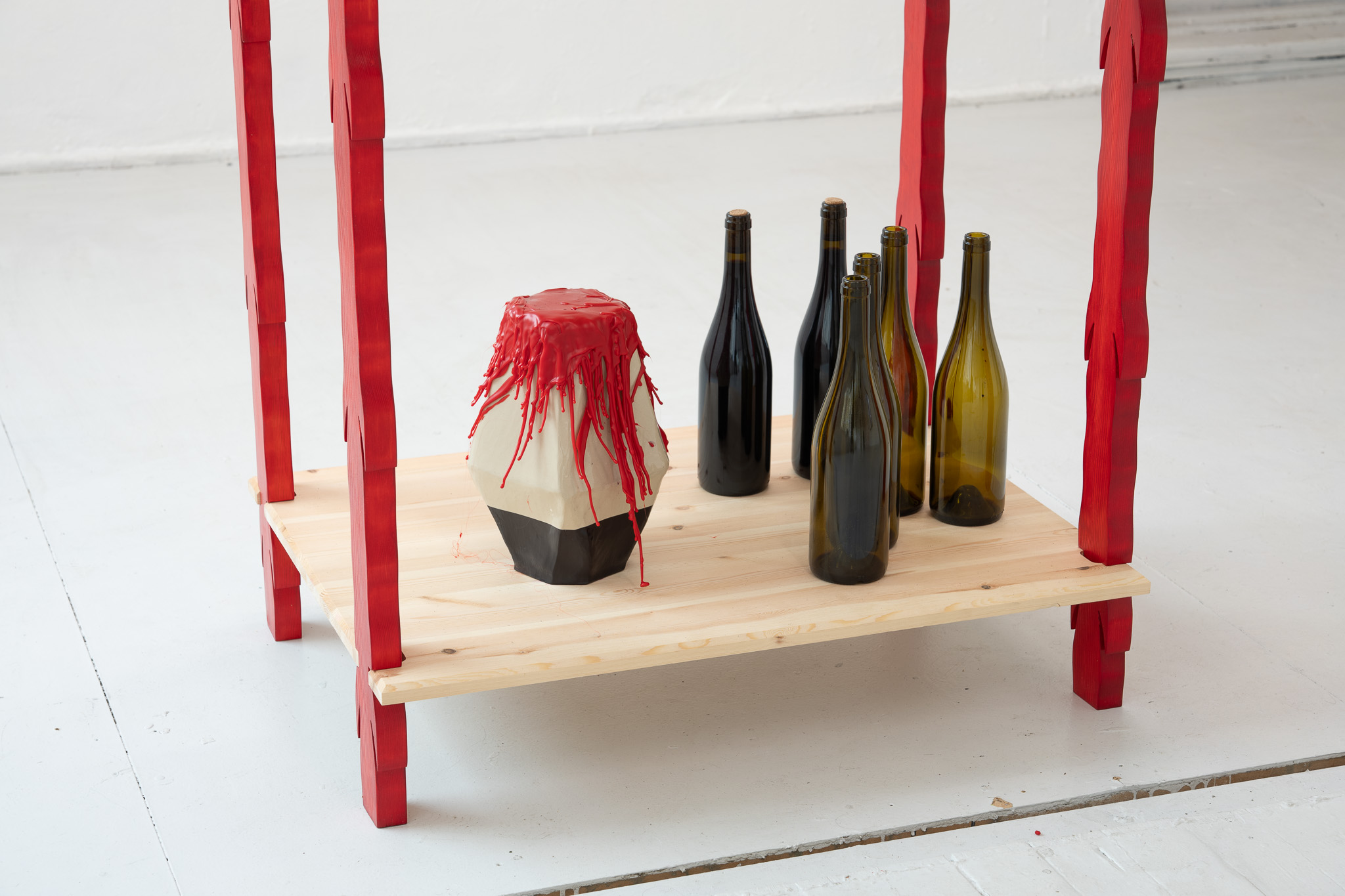
Cabarnet Franc grapes, glass bottles, pine, ceramics, cork, wood stain, laquer. 230x60x80cm. Podium, Oslo. Supported by the Swedish Art and Grants Committee.
///
«Useful Work versus Useless Toil» With works by Selma Selman, Victor Santamarina, Jens Masimov, Jakob Sitter, Damien Ajavon, Morgane Baffier, Ellinor Aurora Aasgaard and Zayne Armstrong, curated by Una Mathiesen Gjerde.
"Useful Work versus Useless Toil" (UWUT/working title) is a group exhibition co-produced with the independent exhibition space ENCOOORE in Biarritz, curated by Una Mathiesen Gjerde. Deriving from William Morris' eponymous essay and his efforts to improve artists and artisans, but also the general conditions of the working class, UWUT will address questions related to work and labour in Europe. As Morris experienced with the industrial revolution, we now find ourselves in a new era of rapid technological development. UWUT intends to examine work in the broadest sense – both artistically, socially and economically. Central to the project is to create a context that invites the public to reflect on their own relationship to work, and by extension the neoliberal consumption of the labor market that we are experiencing in our time - where inequalities are growing at a gallop, parallel to a technological development that plausibly will change how we understand the notions of work and labour.
Photos by Erik Mowinckel



︎
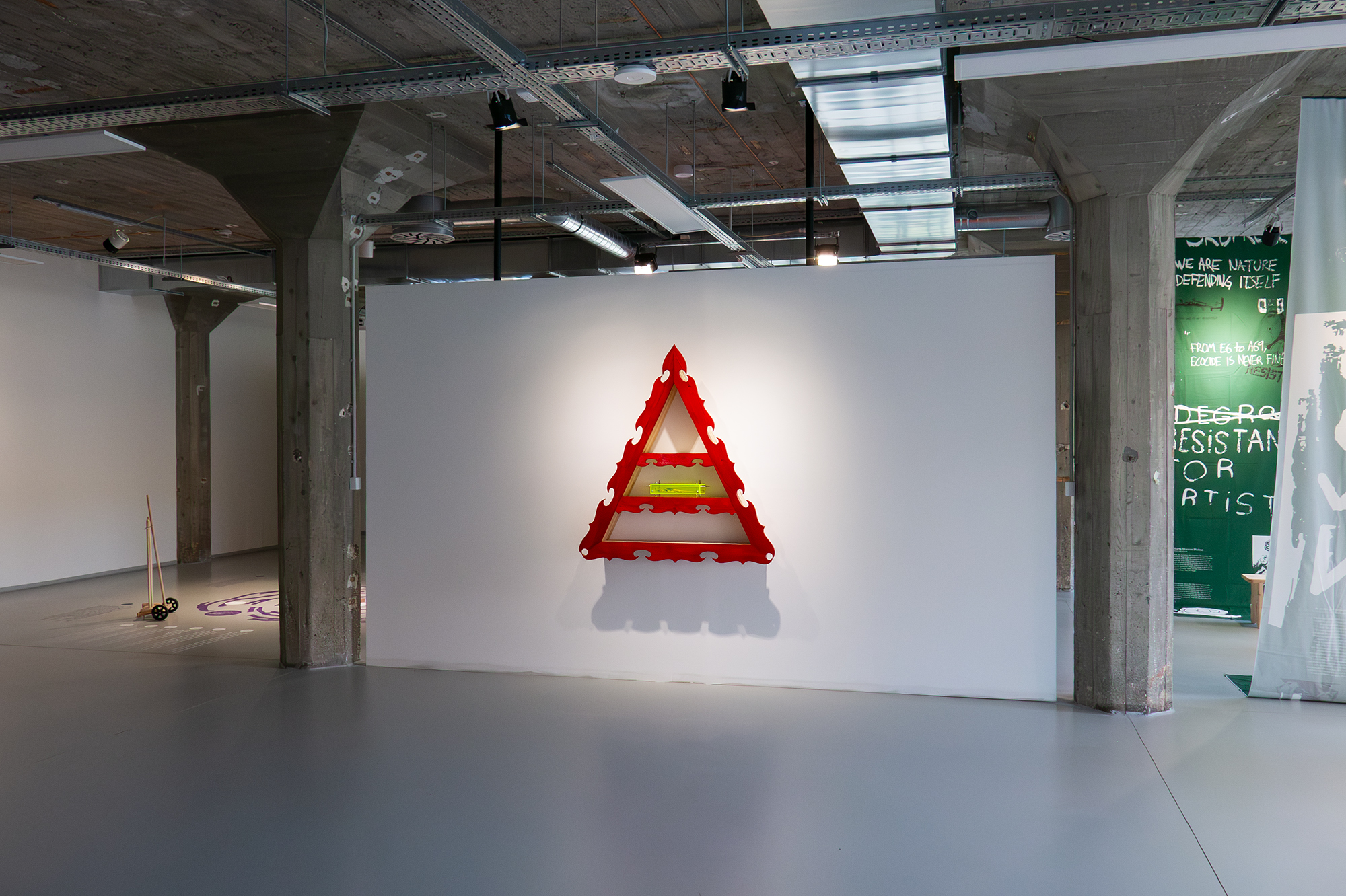
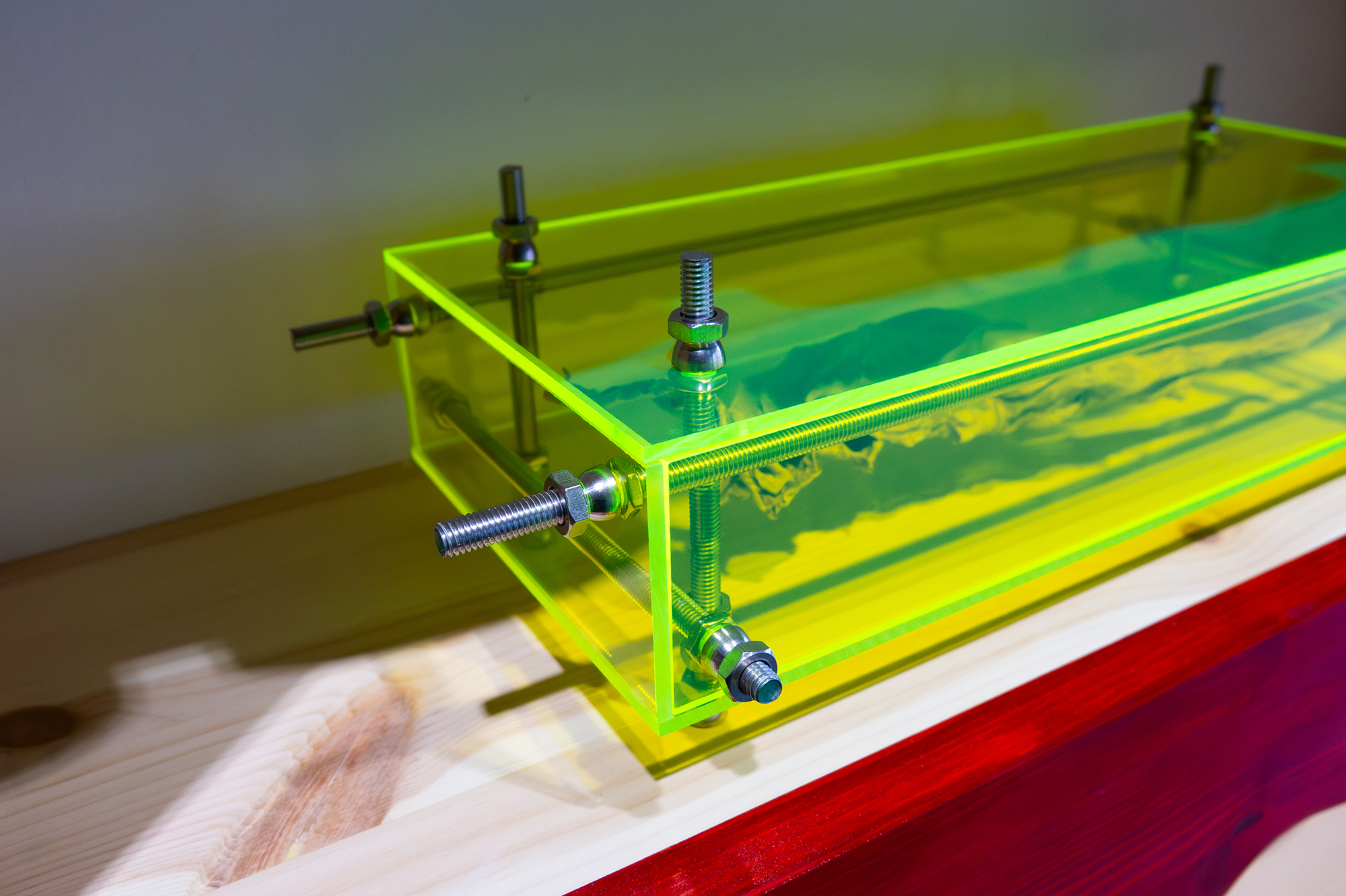
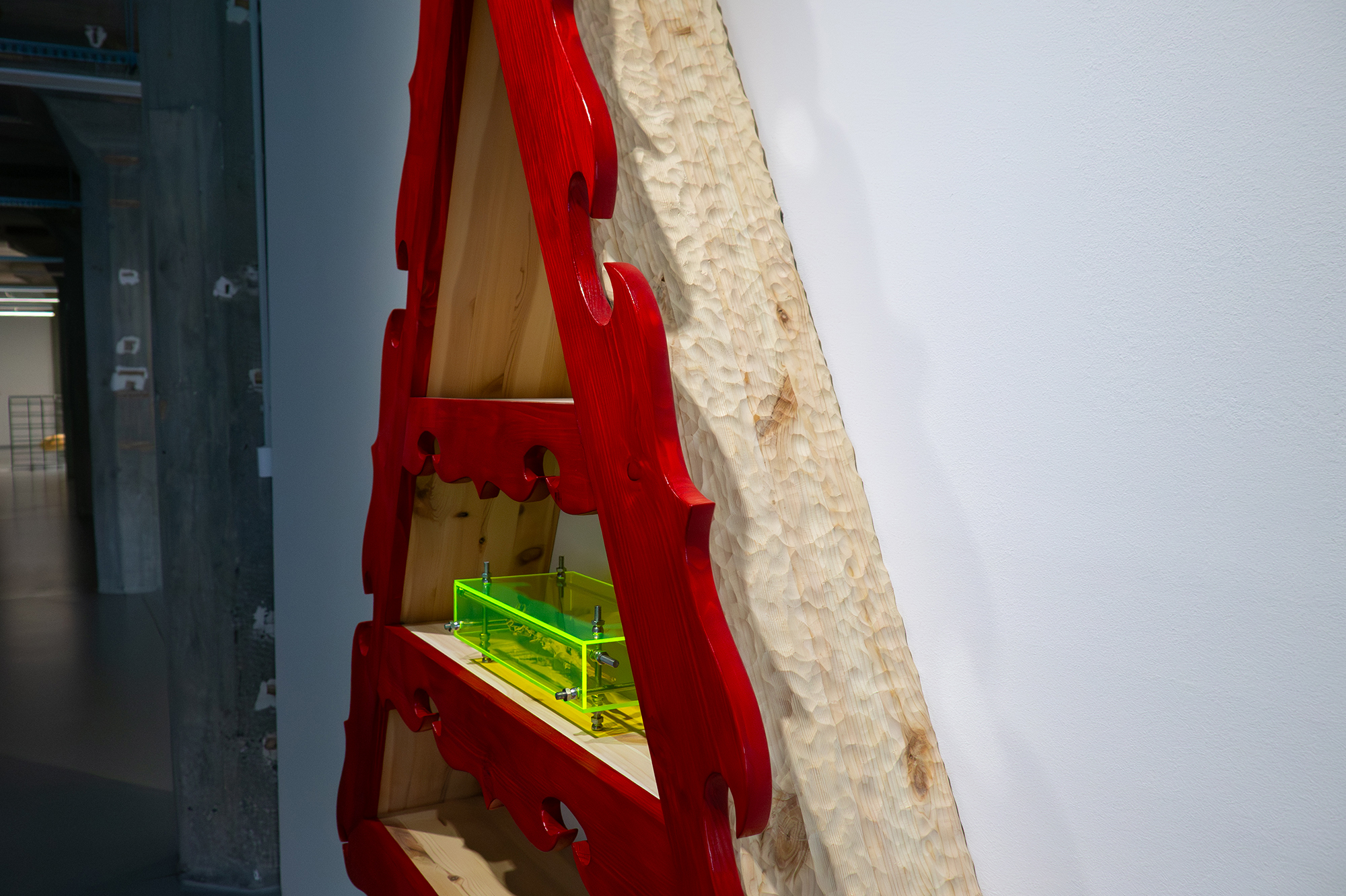
Pine, acrylic sheets, metal, tobacco leaf, wood stain, varnish. 2025
///
Funded by the complex social, economic, and structural challenges of global neoliberalism, Breaking the Course of the European Boomerang looks at how we can counteract the current rise in inequality within Europe without reverting to imperialism. Inspired by the historical solidarity between workers‘ unions across Europe and the world at large, the exhibition unfolds through various artistic actions developed by the artists involved who explore strategies and ideas relating to labor, education, and the use of social and natural resources.
Europe has never been resourceful. The fact that it overran its resource capacity at the end of the 15th century is, in part, what motivated its colonization of other parts of the world. In our present time, formal imperial relationships have been transformed into more hidden ways of economic exploitation and resource grabbing. Amidst the decolonization following the Second World War, Europe, and the West of it in particular, secured the survival of their imperialism through the establishment of various global neoliberal projects, such as the International Monetary Fund, the World Trade Organization, and the World Bank Group. Framed as neutral, in part even charitable, structures, these institutions maintain a status quo: where the poorer (but often more resourceful) nations of the world remain under the control of the richer, through debt and trade arrangements.
Read more


︎