Jens Masimov (b. 1993 in Hedemora, Sweden), is a multidisciplinary artist based in Stockholm. Through immersive and entangled installations he explores the core idea of ritualistic distortion wherein sculptural renditions of visual and cultural anchor-points acts as frameworks for social gatherings.
~~~~~~~~~~~~~~~~~~~~~~~~
(1) Lalande de Pomerol & Saumur (2024) II
(2) You Got To Spend Money To Lose Money
(3) Lalande de Pomerol & Saumur (2024)
(4) Lucky Number 1 9 5 3 0 2 0 8
(5) Mera ös mera järn
(6) Fullt ställ
(7) Lalarps källa
(8) High Score Win Win
(9) Bingsjö Spacetime 2022
(10) EN ELD ETT SKEN
(11) Norberg > Norberg ITT 0,00km
(12) Krossen, Kingen, Halvan
(13) Esoteric Byggmax Bar
(14) GROGGENHEIM
(15) MINI DETOUR AUGURY
(16) Candy Flip
(17) We’ve Been Queuing Without a Reason
(18) SUPER DETOUR AUGURY
(19) All Days Hence
(20) Portal 002(Bergspris)
(21) Matchen
(22) We Keep In Contact Through Indium And Tin
(23) Immense Past Caving In
(24) Strandkantens Folkspa
(25) Concrete Cap
(26) Shared Desktop
(27) Exhaustive~Portal
(28) Mapping Through Network Technologies
(29) A Correspondence
~~~~~~~~~~~~~~~~~~~~~~~~
ABOUT/CV ︎ ︎ ︎
~~~~~~~~~~~~~~~~~~~~~~~~
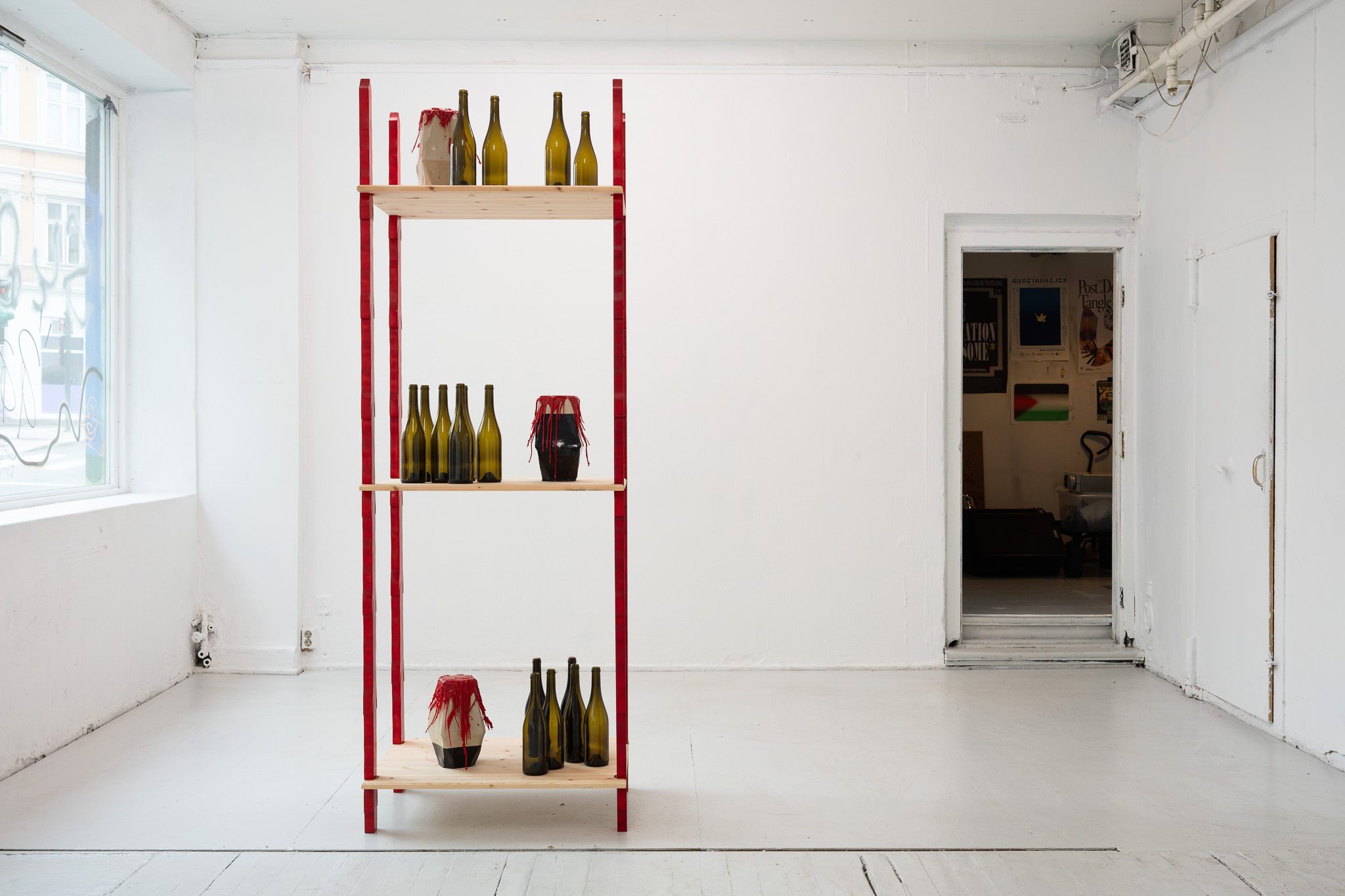
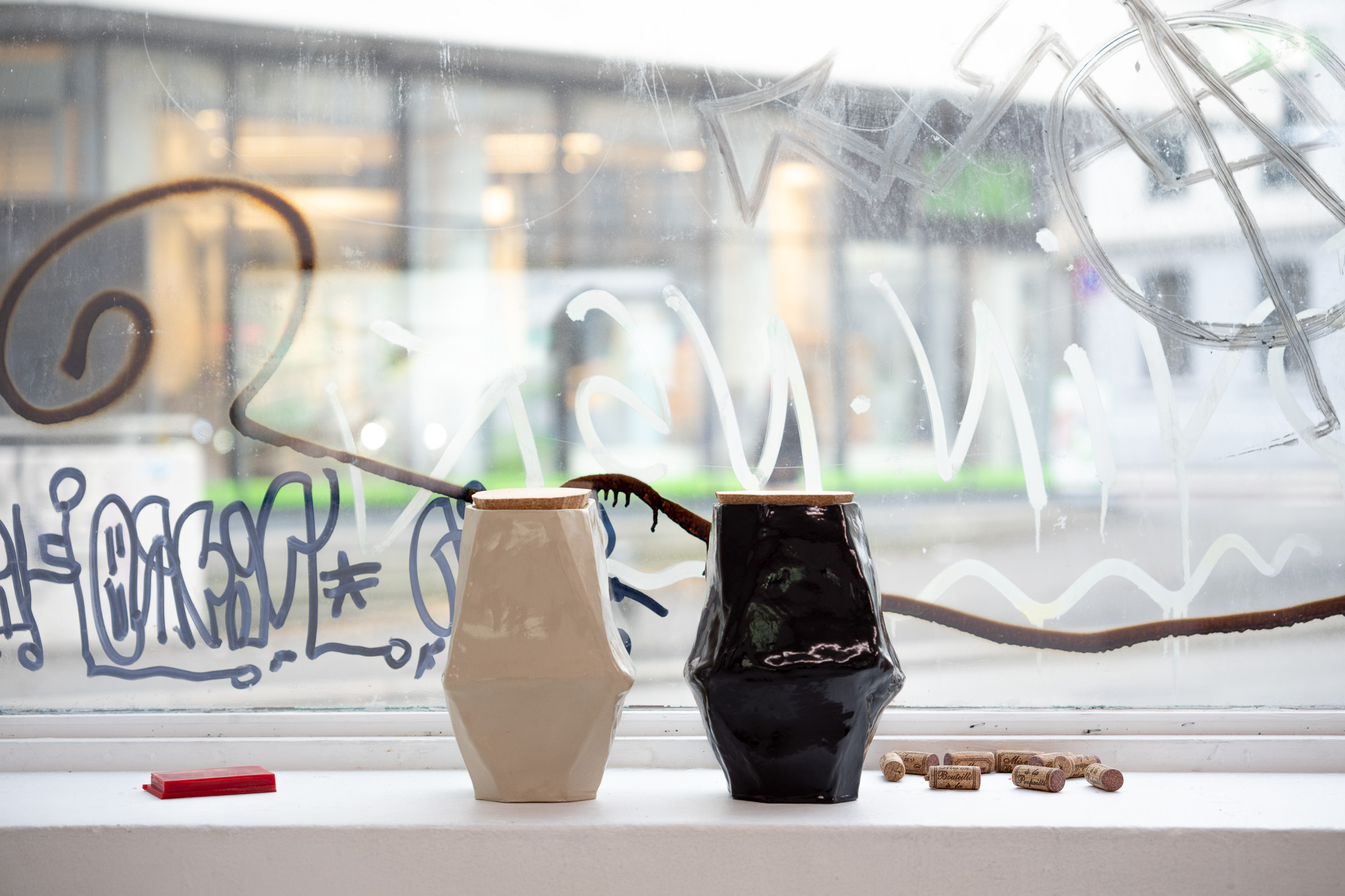
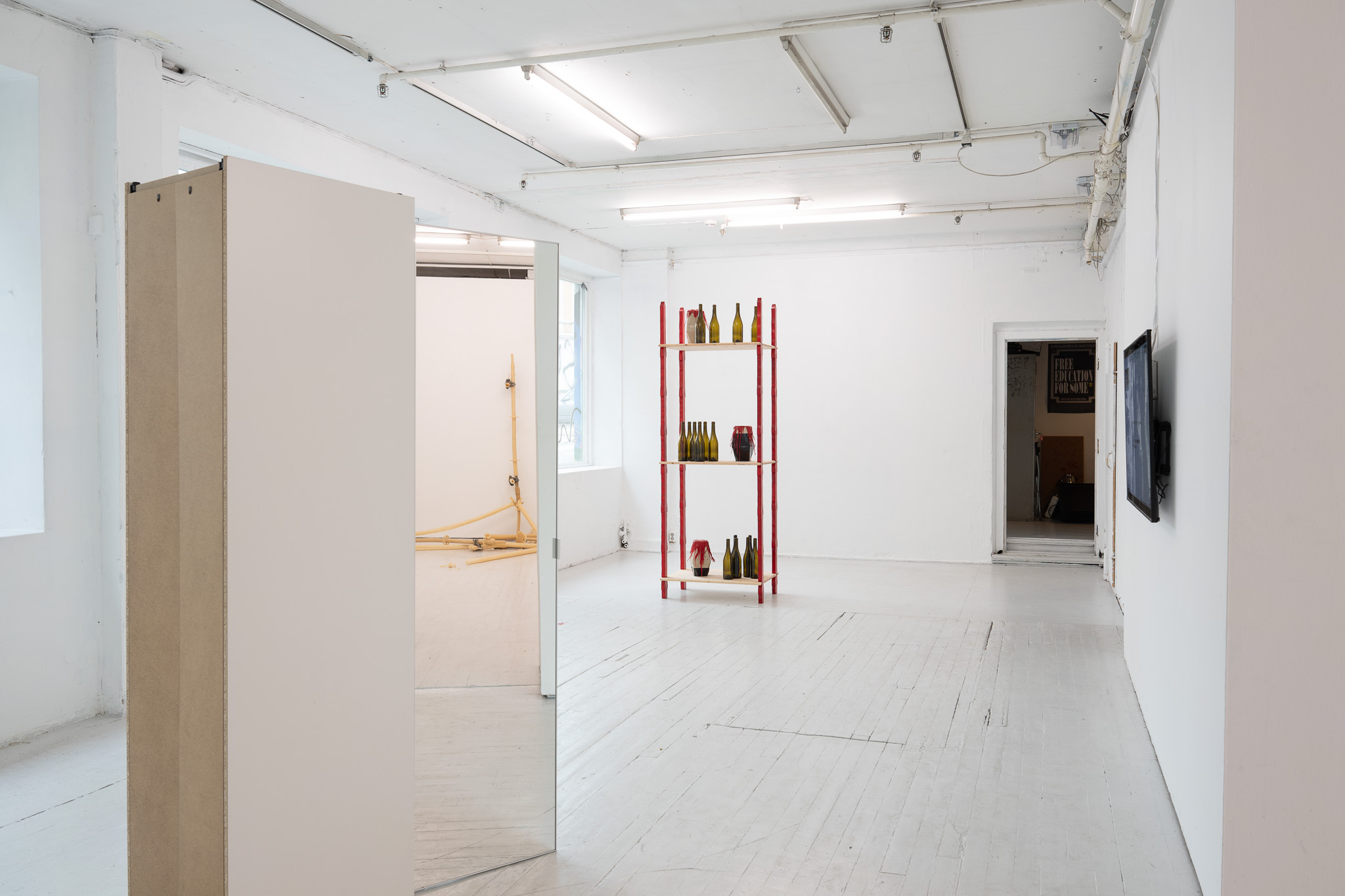
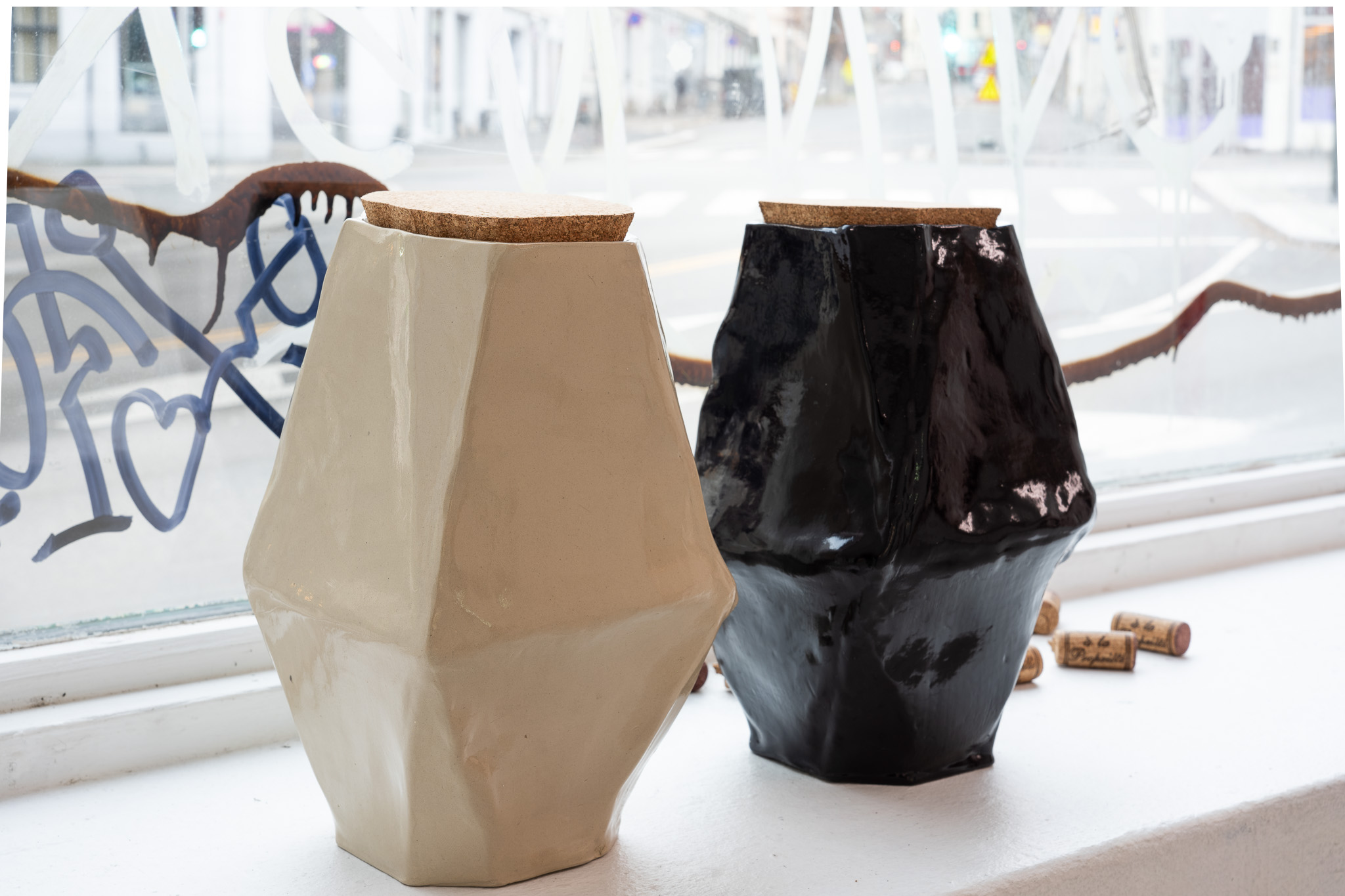
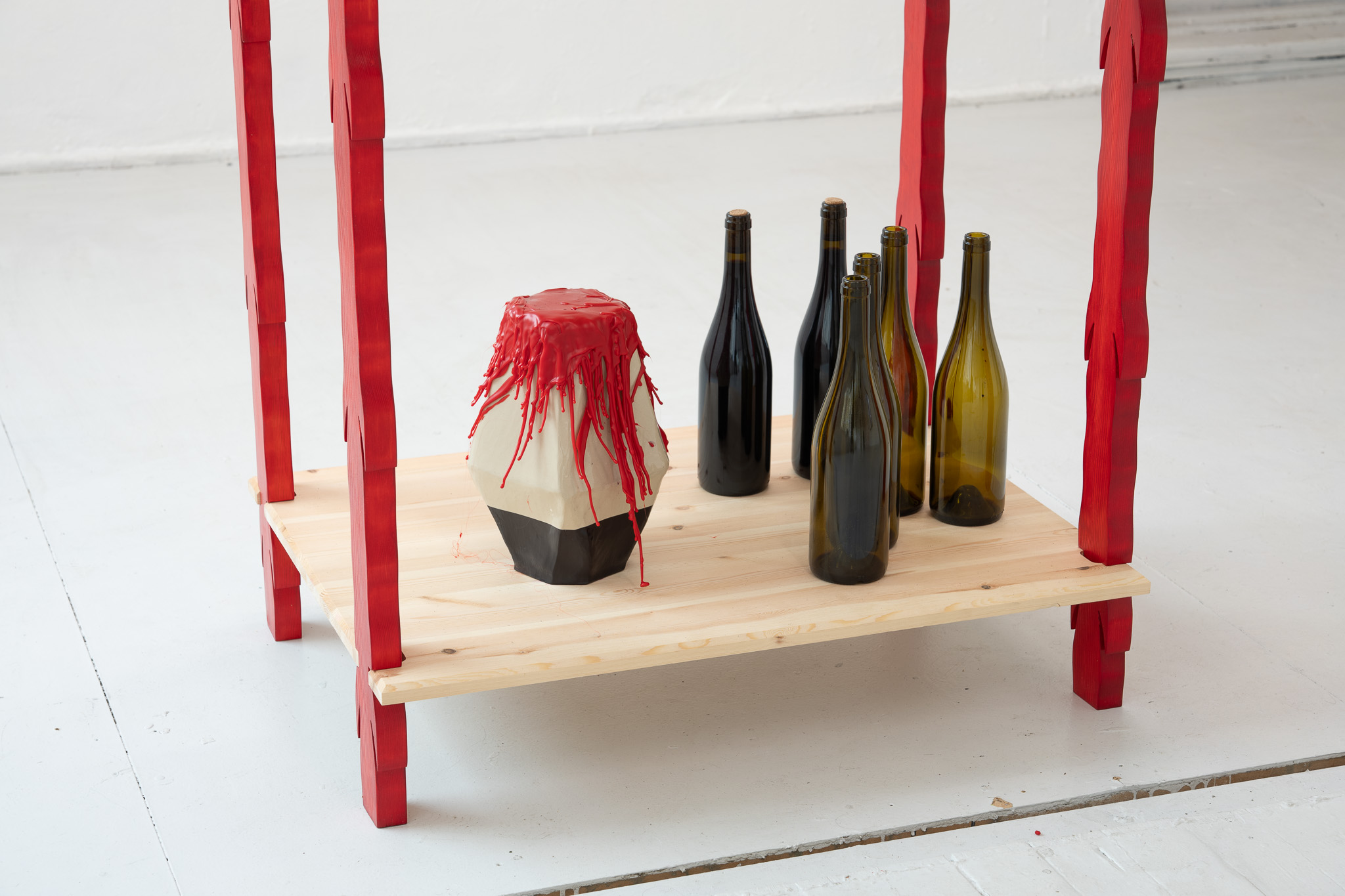
Cabarnet Franc grapes, glass bottles, pine, ceramics, cork, wood stain, laquer. 230x60x80cm. Podium, Oslo. Supported by the Swedish Art and Grants Committee.
///
«Useful Work versus Useless Toil» With works by Selma Selman, Victor Santamarina, Jens Masimov, Jakob Sitter, Damien Ajavon, Morgane Baffier, Ellinor Aurora Aasgaard and Zayne Armstrong, curated by Una Mathiesen Gjerde.
"Useful Work versus Useless Toil" (UWUT/working title) is a group exhibition co-produced with the independent exhibition space ENCOOORE in Biarritz, curated by Una Mathiesen Gjerde. Deriving from William Morris' eponymous essay and his efforts to improve artists and artisans, but also the general conditions of the working class, UWUT will address questions related to work and labour in Europe. As Morris experienced with the industrial revolution, we now find ourselves in a new era of rapid technological development. UWUT intends to examine work in the broadest sense – both artistically, socially and economically. Central to the project is to create a context that invites the public to reflect on their own relationship to work, and by extension the neoliberal consumption of the labor market that we are experiencing in our time - where inequalities are growing at a gallop, parallel to a technological development that plausibly will change how we understand the notions of work and labour.
Photos by Erik Mowinckel



︎
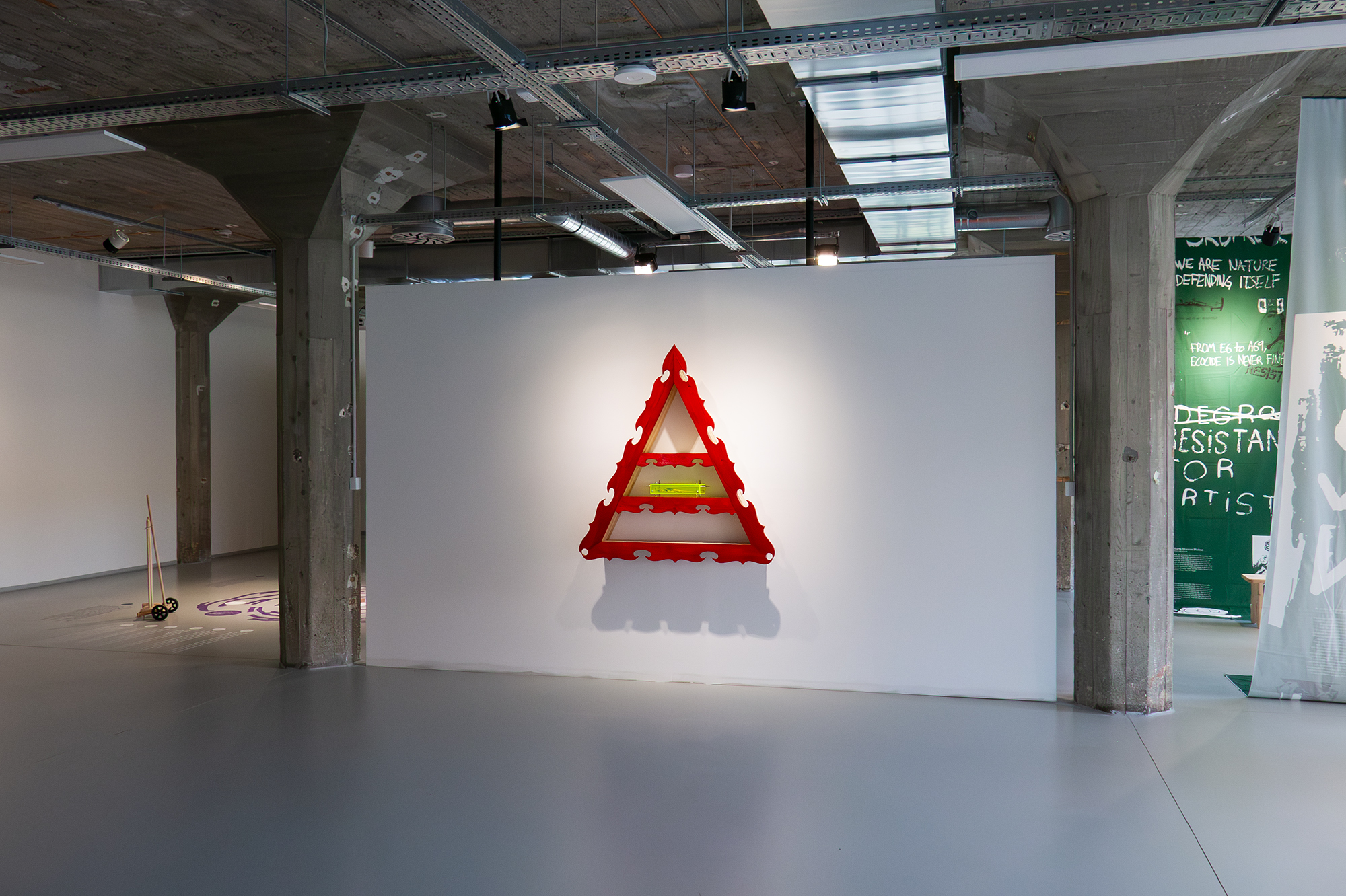
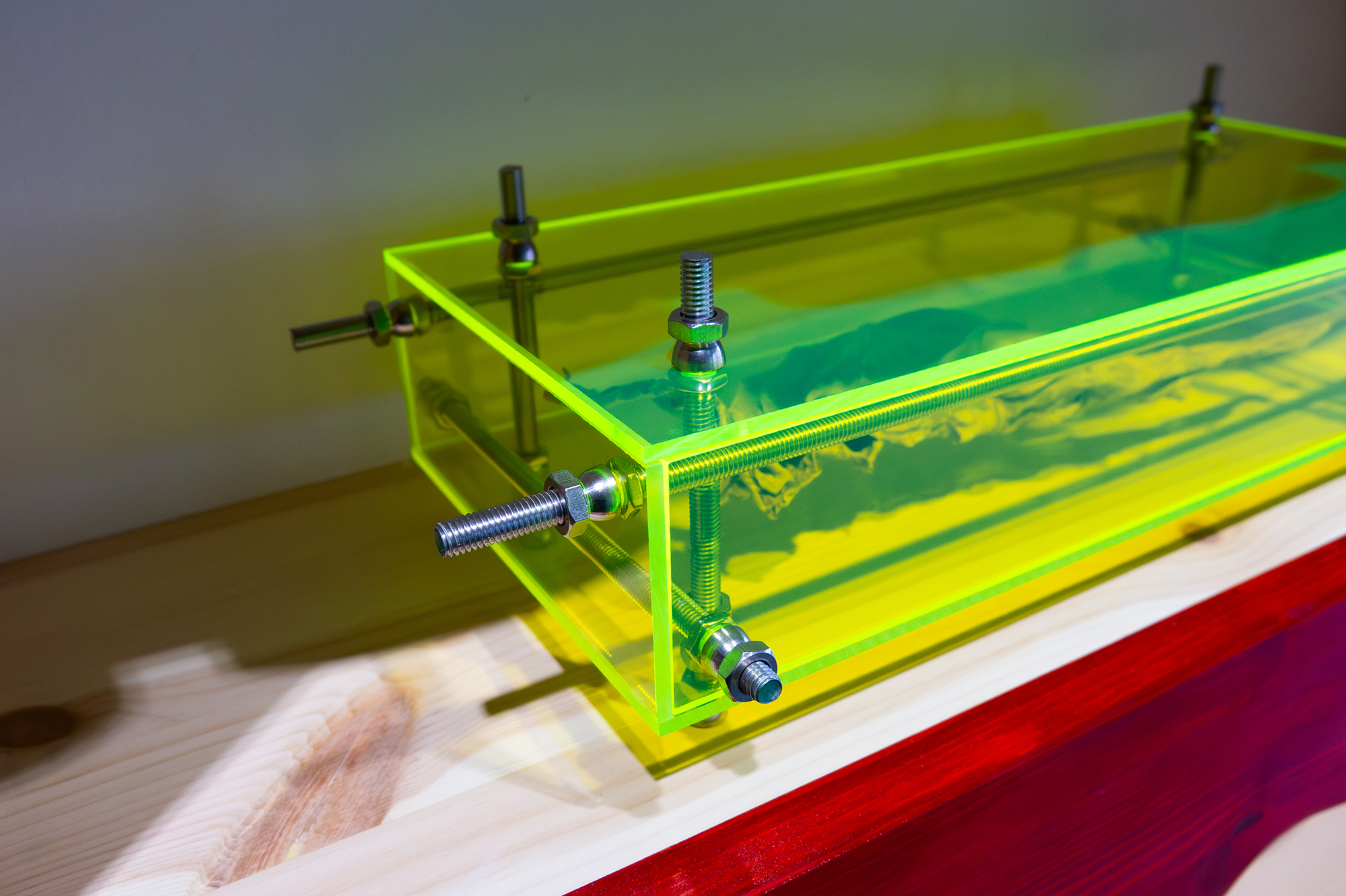
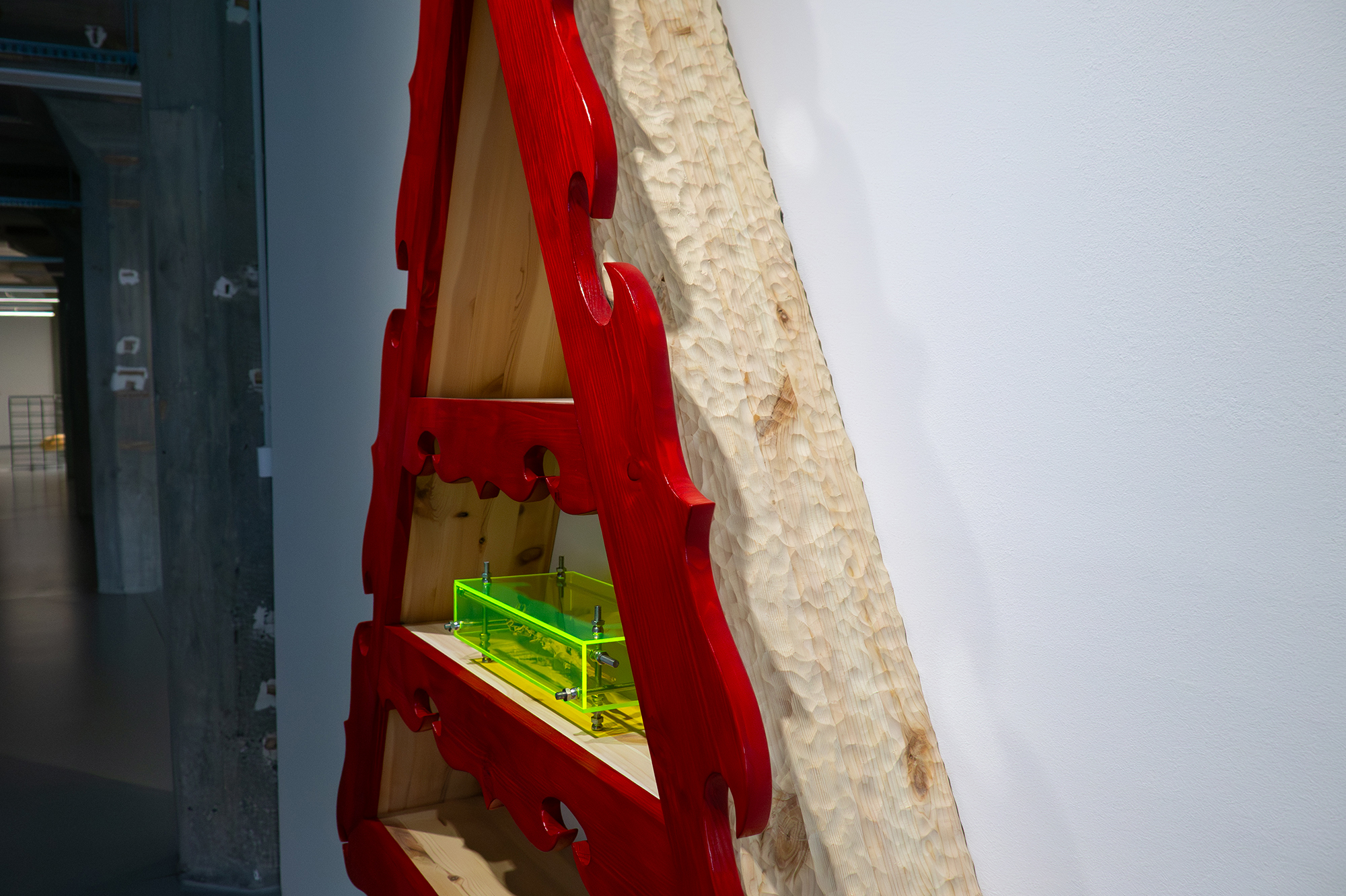
Pine, acrylic sheets, metal, tobacco leaf, wood stain, varnish. 2025
///
Funded by the complex social, economic, and structural challenges of global neoliberalism, Breaking the Course of the European Boomerang looks at how we can counteract the current rise in inequality within Europe without reverting to imperialism. Inspired by the historical solidarity between workers‘ unions across Europe and the world at large, the exhibition unfolds through various artistic actions developed by the artists involved who explore strategies and ideas relating to labor, education, and the use of social and natural resources.
Europe has never been resourceful. The fact that it overran its resource capacity at the end of the 15th century is, in part, what motivated its colonization of other parts of the world. In our present time, formal imperial relationships have been transformed into more hidden ways of economic exploitation and resource grabbing. Amidst the decolonization following the Second World War, Europe, and the West of it in particular, secured the survival of their imperialism through the establishment of various global neoliberal projects, such as the International Monetary Fund, the World Trade Organization, and the World Bank Group. Framed as neutral, in part even charitable, structures, these institutions maintain a status quo: where the poorer (but often more resourceful) nations of the world remain under the control of the richer, through debt and trade arrangements.
Read more


︎
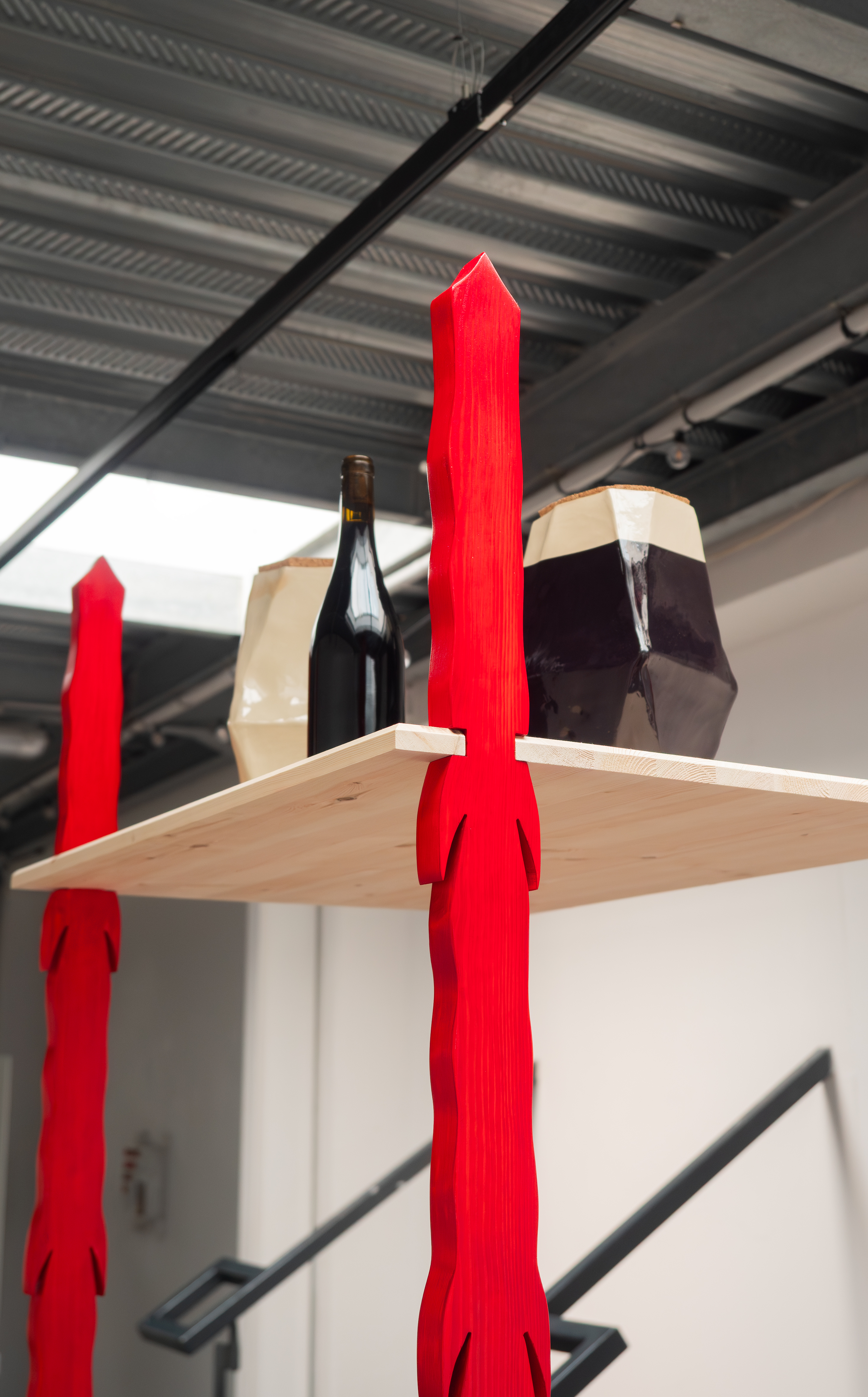
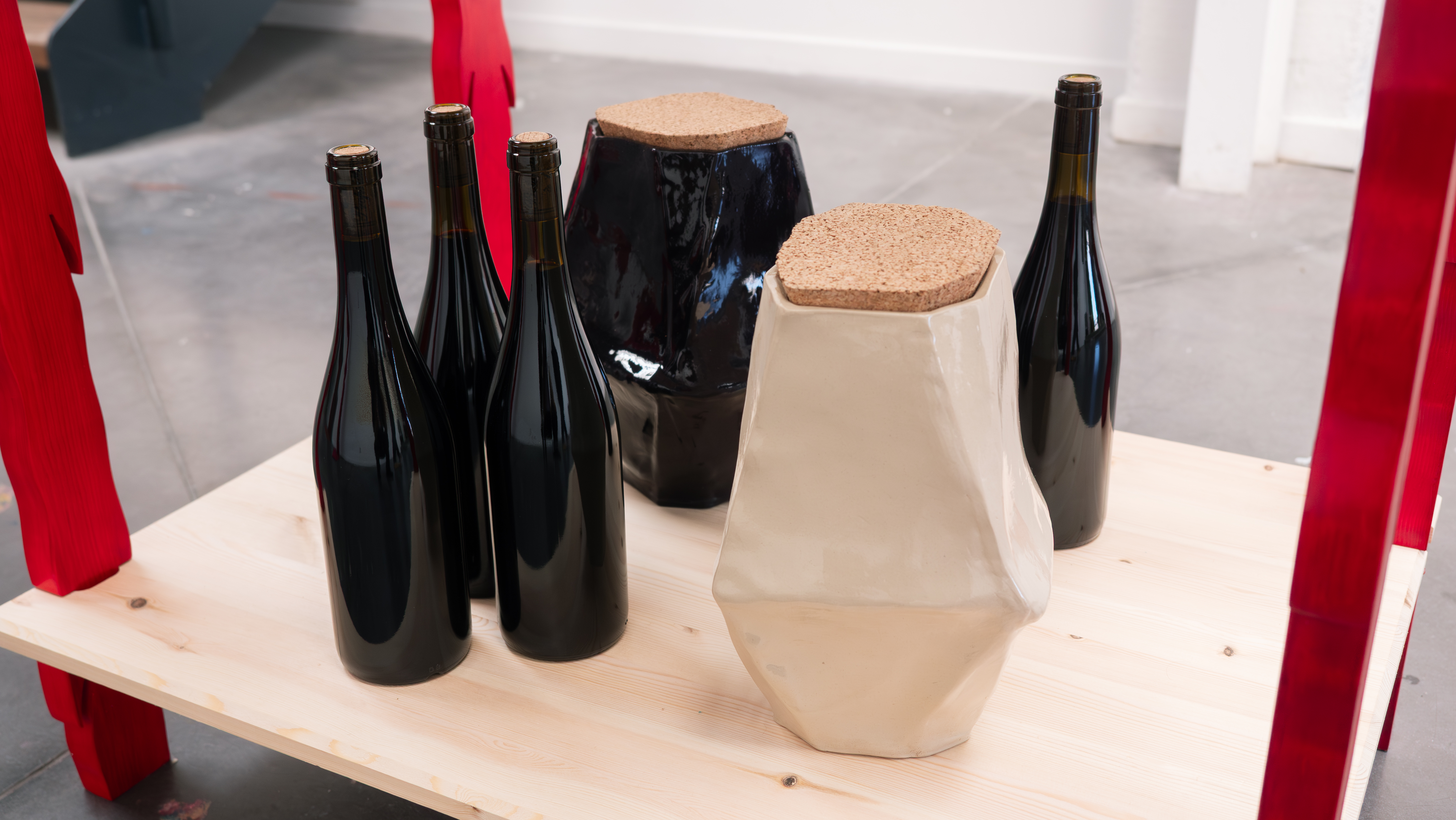
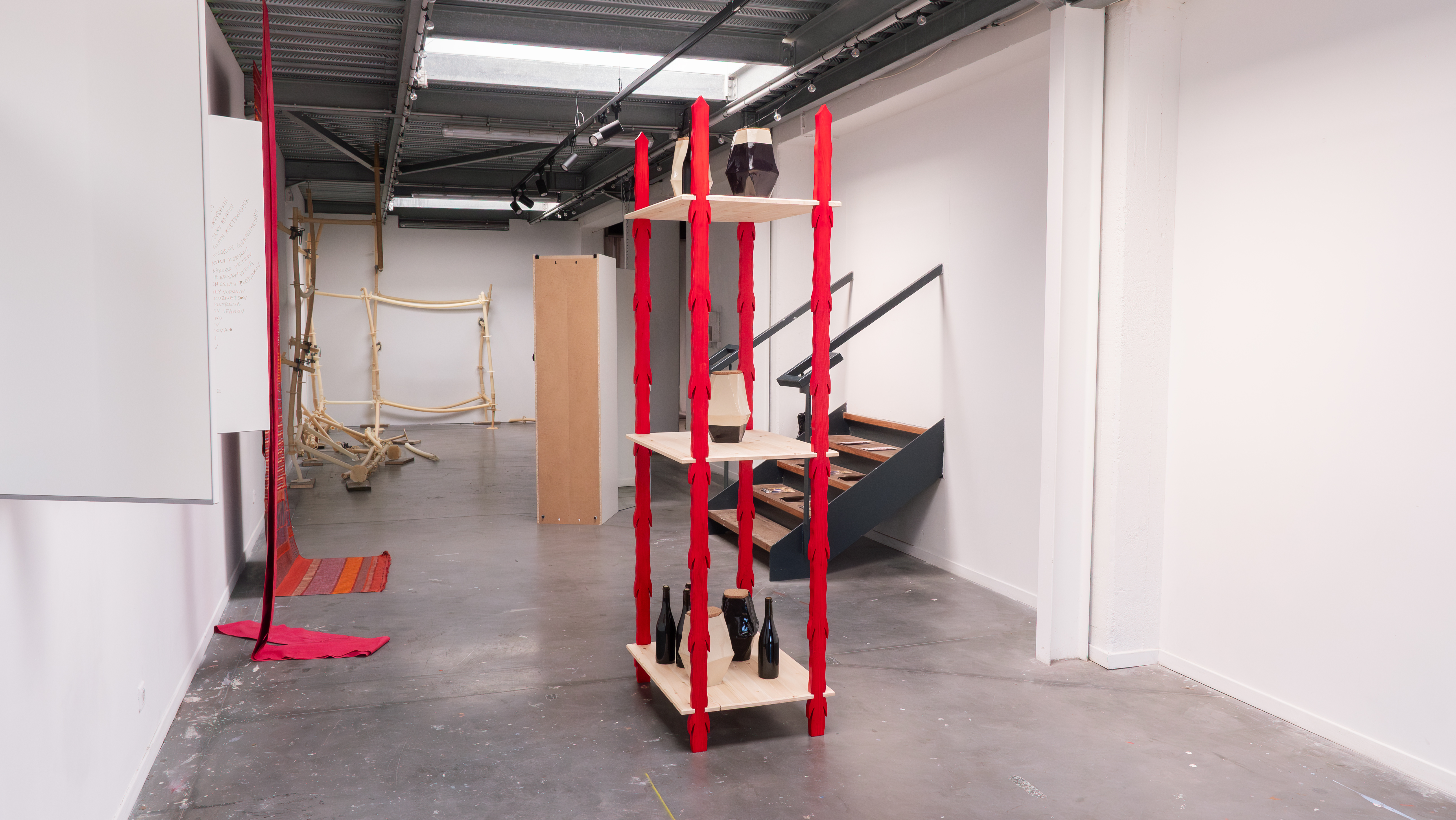
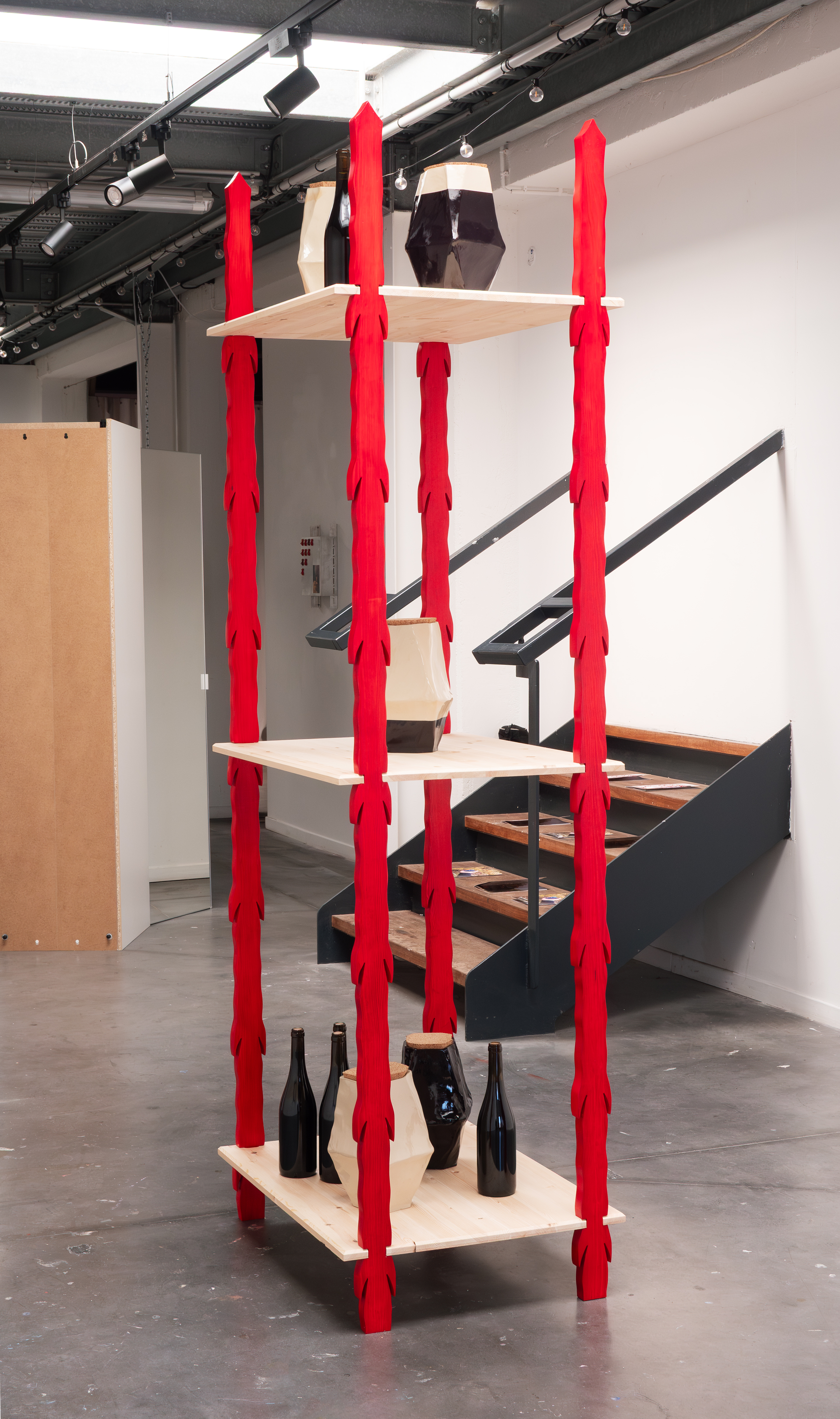
Cabarnet Franc grapes, glass bottles, pine, ceramics, cork, wood stain, laquer. 230x60x80cm. Encooore, Biarritz. Supported by the Swedish Art and Grants Committee.
︎
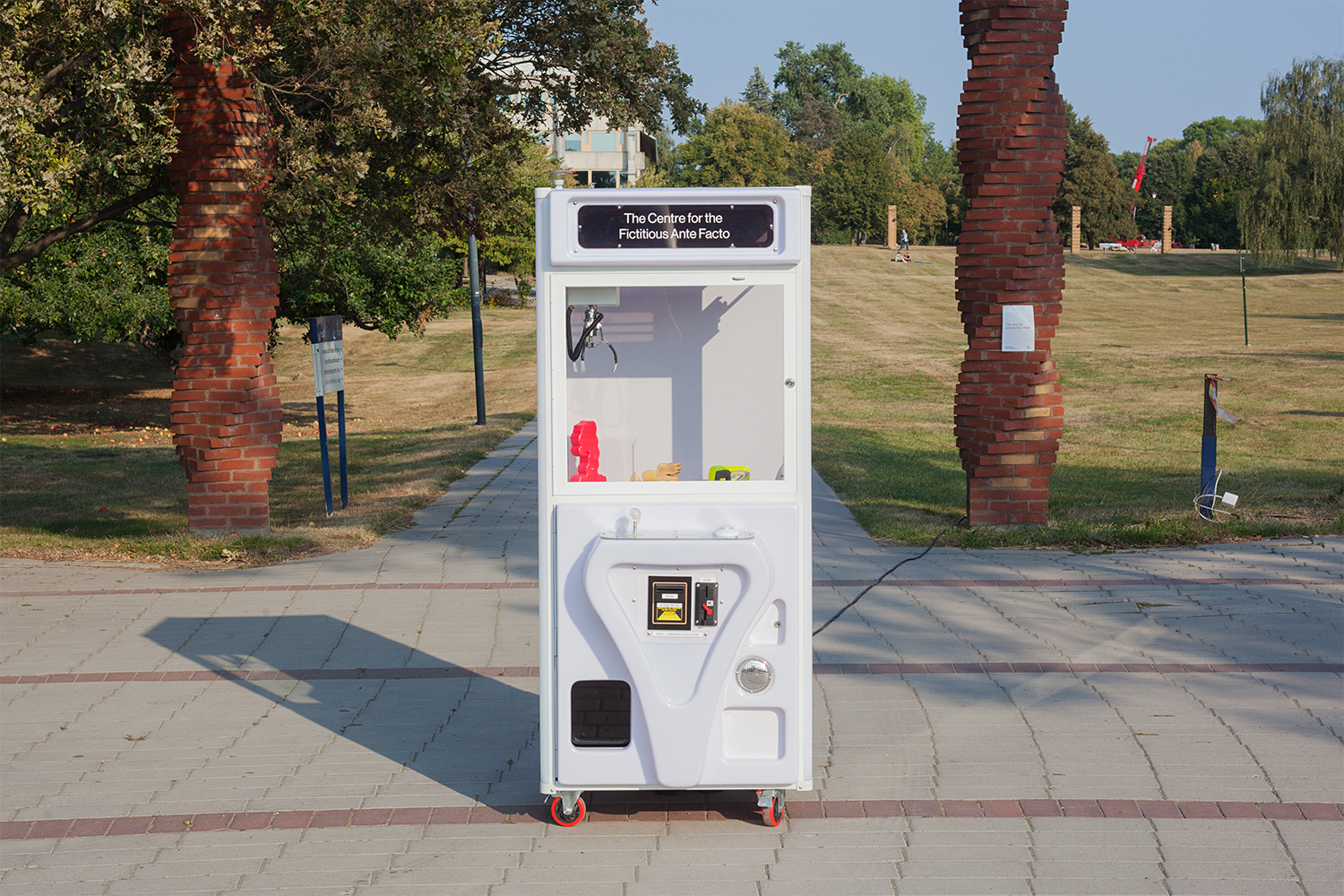
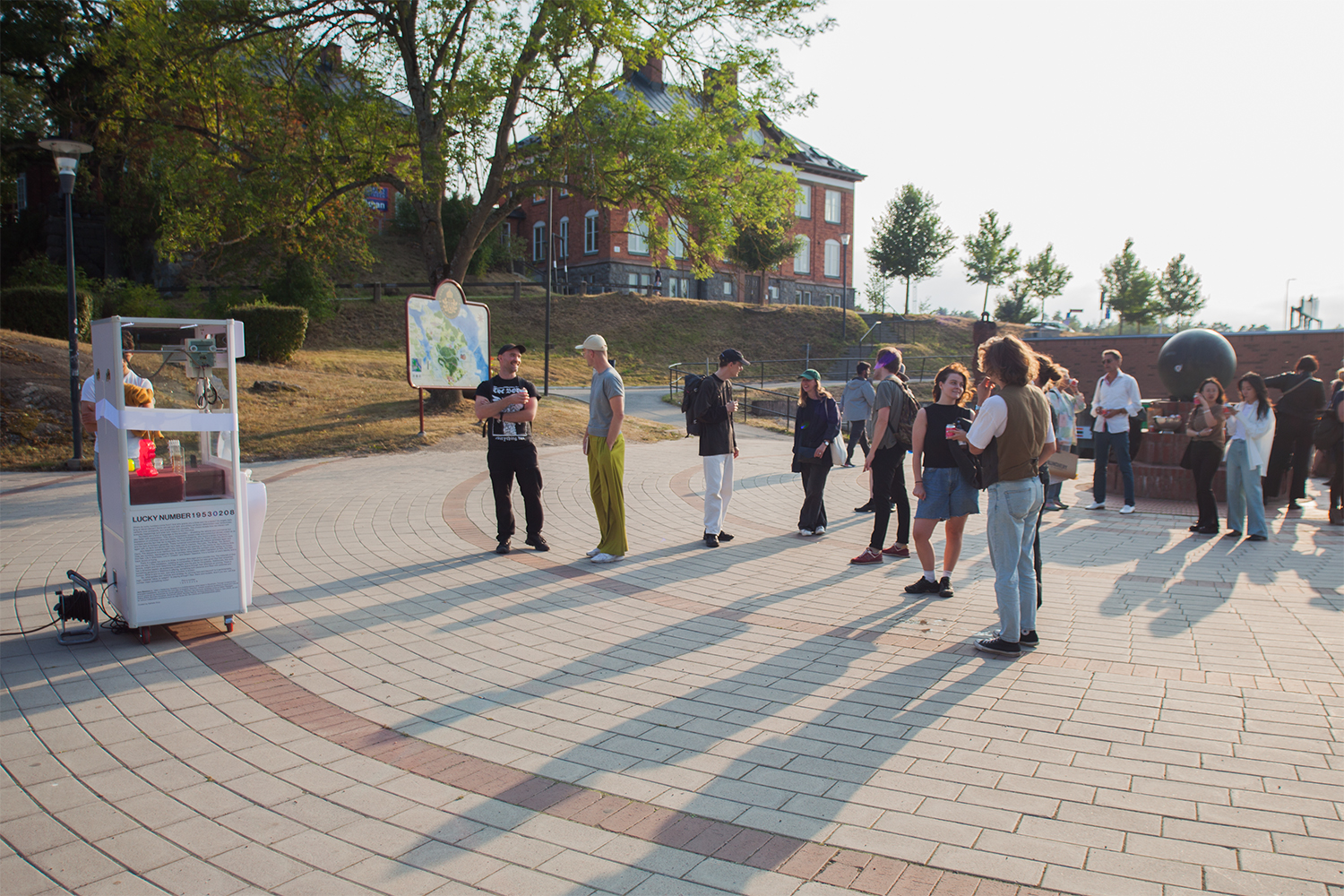
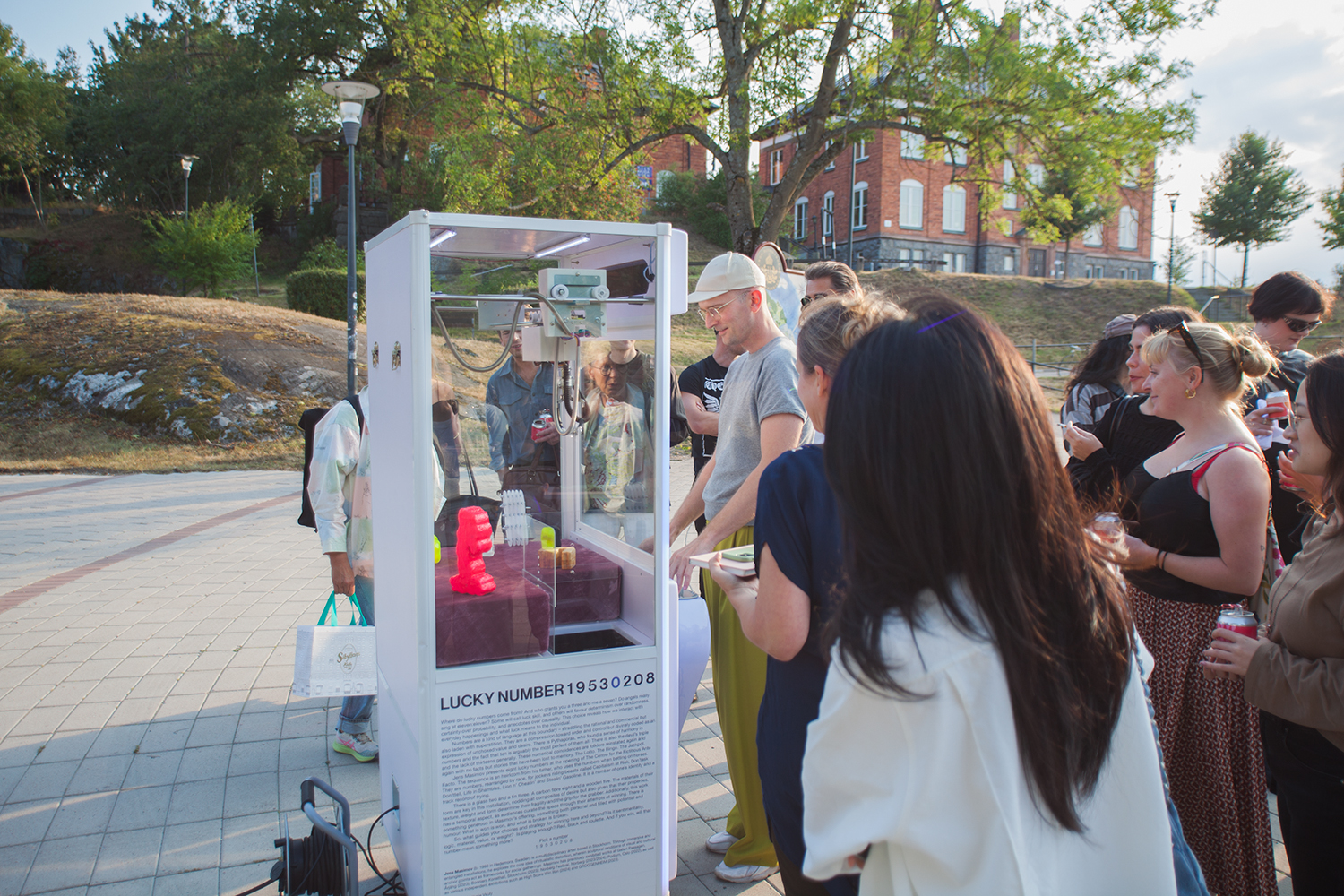
Styrofoam, epoxy, tin, pine wood, clay, polyester, plaster, Polycarbonate plastic, steel, beeswax, vinyl paint, claw machine. The Centre for the Fictitious Ante Facto, Stockholm. Curated by Nathalie Viruly. 2024
///
The Centre for the Fictitious Ante Facto proudly presents its first exhibition, Lucky Number 1 9 5 3 0 2 0 8, with artist Jens Masimov.
Lucky Number 1 9 5 3 0 2 0 8 is a prompt. It's a question about how objects become lucky to us and whether this quality is transferable. Some will call luck skill, and others will favour determinism over randomness, certainty over probability, and anecdotes over causality. This choice unravels something about how we interact with the uncertainty of every day and perhaps what superstition means to the individual.
Numbers are a kind of language at this boundary – a compression toward order and control but also divinely coded as an expression of unchoked desire and value. There is Pythagoras, who found a sense of harmony in numbers and the fact that ten is arguably the most perfect of them all. There is also the devil’s triple and the lack of thirteens in stairwells. These numerical coincidences are folklore reinstated again and again with no fact but rather stories lost to memory. The Lotto. The Bingo. The Jackpot.
Jens Masimov presents eight numerical sculptures made in glass, carbon fibre, wood, and wax, to name but a few of the materials. The sequence is an heirloom from his father, who rearranged the numbers to wage bets on equine beasts with names like Capitalism At Risk, Don’task Don’ttell, Life in Shambles, Lion N Cheatin and Stealin’ Gasoline. Masimov is generous in his work with the Centre for the Fictitious Ante Facto, as sculptures can be won with a combination of luck + skill + a 10 SEK coin. So what guides your choices and strategy for winning here and beyond? Is it sentimentality, logic, material, value, or weight? Is playing enough? Red, black, and roulette. And if you win, will a number mean something more?
Pick a number
1 9 5 3 0 2 0 8


︎